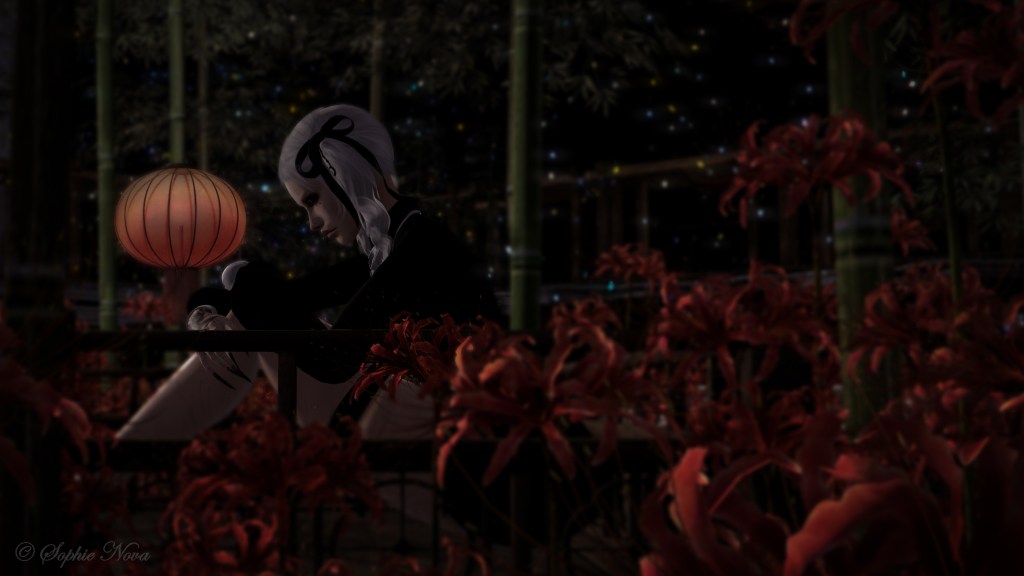
I had survived so much by staying steady. Until steady was no longer enough.
from Chapter 12.
By the time the violence became undeniable, it had already been normalized.
Not all at once. Not dramatically. But incrementally — through raised voices that became slammed doors, slammed doors that became blocked exits, blocked exits that became moments where my body understood what my mind was still trying to negotiate. What had once been volatility now had mass. Weight. Consequence.
Control no longer needed explanation. It could be felt.
In virtual space, distance had acted as a buffer. Words could wound, but they dissolved into pixels. Silence could punish, but it could be escaped by logging off. Even rage, at its most explosive, remained contained within screens and speakers. I could step away. Mute. Close a window. Breathe.
I did not fully understand how much that distance had protected me until it was gone.
Meeting The Counterpart in person collapsed the last illusion I had been holding onto — that what we were navigating existed in a separate, safer category than real life. That intensity could be managed because it was mediated. That volatility could be softened by space.
It could not.
In person, his emotions moved faster. There was no delay between feeling and expression. No pause to reconsider. Anger lived in his body now, in his posture, his voice, his movements.
There was no off switch.
What I had once managed through distance now demanded response in real time. When his mood shifted, I could no longer retreat to silence or space. When tension rose, it filled the room. When fear surfaced, it clung to me physically.
I began to sense something I had not wanted to name before: his instability was not situational. It was not virtual. It was structural.
The relationship did not change when it became physical. It revealed itself.
I found myself calculating constantly, monitoring tone, anticipating reactions, measuring my words not for honesty, but for safety.
When anger appeared, it was no longer just sound. It was presence. When despair surfaced, it was no longer abstract. It was embodied — heavy, demanding.
Instead of logging off, he stood in the doorway.
And still, I told myself this was temporary. The illusion was that I could still control the outcome.
This is how illusion survives contact with reality: it adapts.
I reframed warning signs as growing pains. I interpreted fear as vulnerability. I translated control into concern. I believed closeness would fix what distance had concealed.
But proximity does not heal instability. It amplifies it.
There was a moment — quiet, unremarkable on the surface — when I realized something had fundamentally shifted. I was no longer choosing the relationship. I was managing it. I was no longer participating freely. I was mitigating outcomes.
And the cost of failure no longer felt emotional. It felt physical.
I still loved him. But I had stopped agreeing to his version of reality.
What began in a virtual world — where escape was always possible — had entered my real one, where consequences did not log off.
For the first time, the fear was no longer about loss. It was about survival.