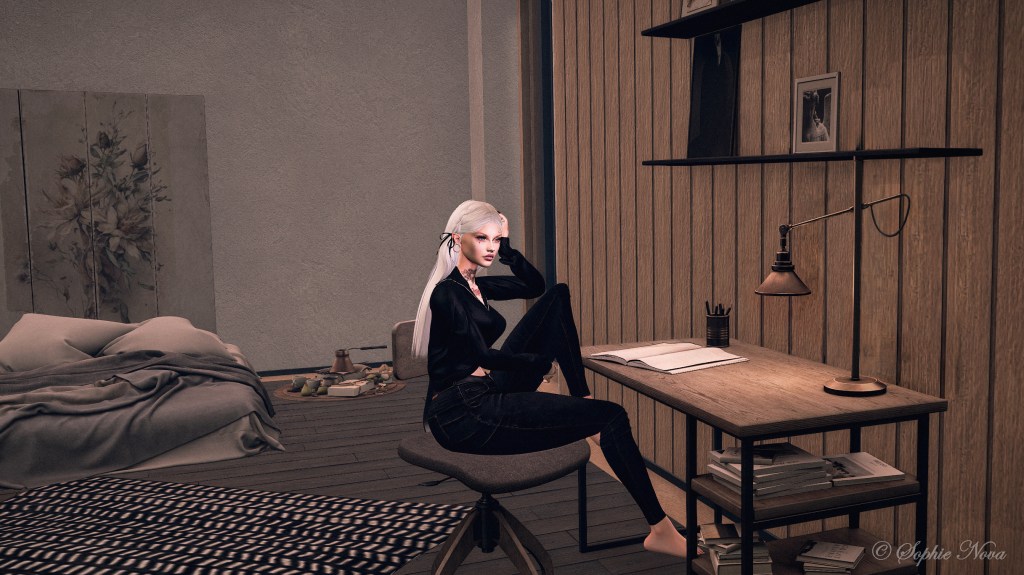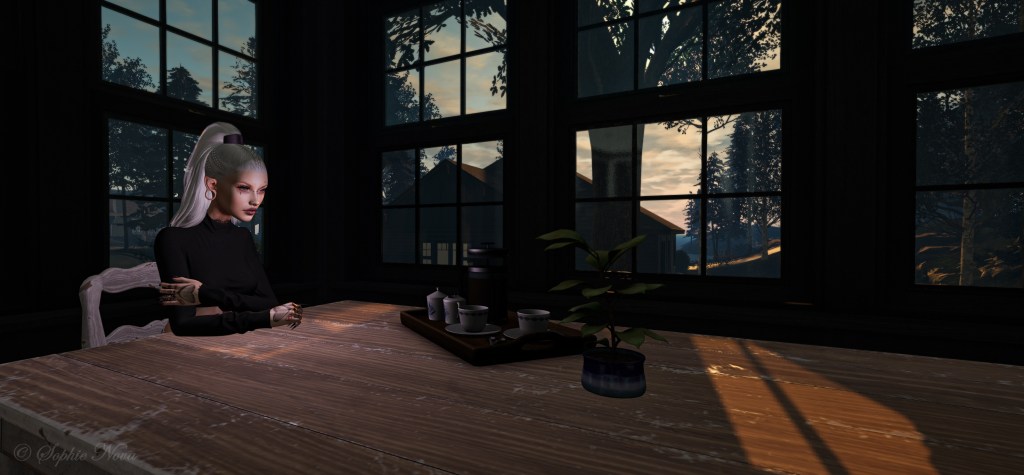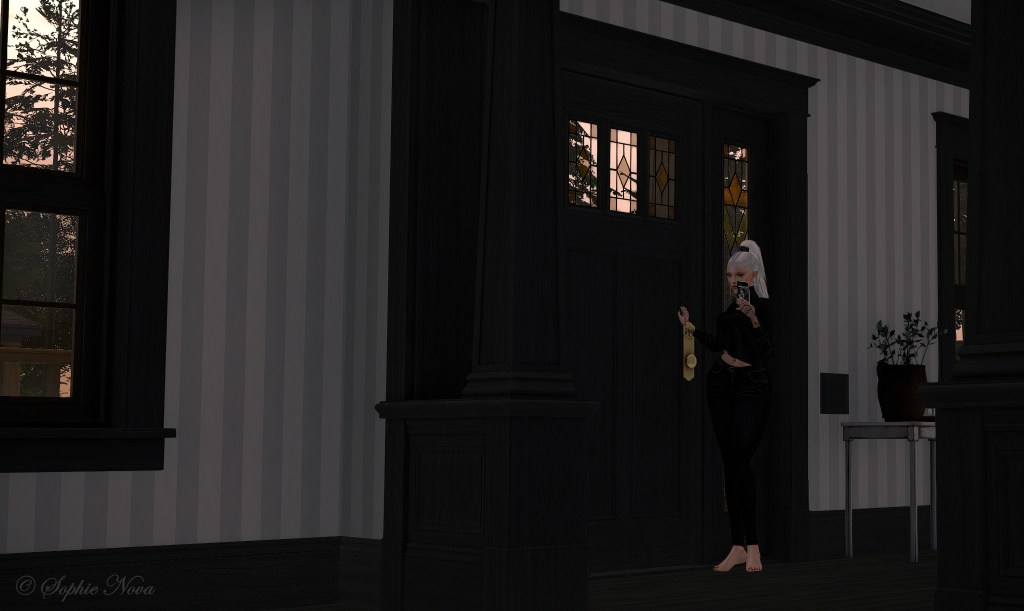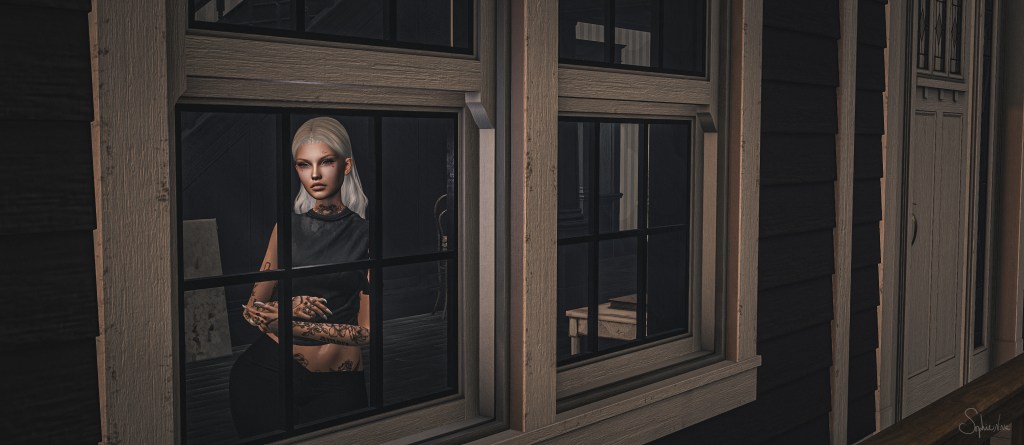
Safety arrived. It did not arrive as peace.
from Chapter 17.
The restraining order did not create peace immediately.
What it created first was disorientation — a silence so abrupt my body did not know what to do with it. For years, my nervous system had been organized around vigilance. Reading moods. Anticipating shifts. Managing the temperature of every room before anyone else felt the change. When that work was removed by law, what remained was not relief.
It was a vacuum.
Safety, I learned, is not the same as calm.
In the weeks that followed the courtroom, I moved through my own life as if it belonged to someone else. I slept lightly. I startled easily. I kept listening for sounds that never came. My mind replayed events I could no longer change, while my body remained braced for impact that did not arrive.
This is the phase people rarely talk about.
After escape comes disorientation. After safety comes grief. After control breaks, there is a vacuum where urgency once lived. I was no longer managing his emotions or negotiating outcomes — but I had not yet relearned how to occupy my own life without apology.
The relationship had ended. The conditioning had not.
And recovery, I would learn, is not the absence of harm — it is the slow reclaiming of independence.
Replaying the courtroom scene in my head, I remembered how the emails sounded when they were read aloud. The words no longer belonged to him. They belonged to the record. Stripped of context and emotion, they revealed what I had lived inside of for years.
Abuse does not sound ambiguous when it is read by someone else.
The judge did not look at me when he spoke. He addressed him directly — firmly, without hesitation. There was no softening, no room for reinterpretation. I watched as authority named what I had been trained to minimize.
I did not cry from shame. I cried because I was finally believed.
I had been taught that love meant responsibility. If someone was hurting, it meant I hadn’t done enough yet. That belief began long before any man entered my life. It began in childhood, where peace depended on my ability to anticipate needs, absorb blame, and stay quiet.
So when I did everything and was still told it wasn’t enough, it did not register as injustice. It felt familiar.
Leaving felt wrong. Staying felt like duty.
He did attempt contact.
It came framed as remorse and necessity — lost possessions, regret, longing. And in those early months of 2015, I was not as steady as I wanted to be.
The restraining order had created a legal boundary. It had not yet created an internal one. My nervous system still reached for the familiar, even when familiar was the thing I was trying to escape. I met him. More than once. Not because I had forgotten what he was — but because the silence he left behind was so complete I did not yet know how to stand inside it without reaching for something to hold.
I almost let him back in.
I want to name that plainly, because pretending otherwise would be a lie, and this story has no room for those.
What stopped me was not a revelation. Not a dramatic moment of clarity. Just the slow accumulation of evidence that nothing had changed — that the warmth he offered was the same warmth that had always preceded the cold, and that I had finally learned to recognize the sequence before it completed itself.
I stated what was already true: too much had happened. There was no version of us left to repair.
I said goodbye. I blocked his number. I told myself this time the boundary would hold.
It held.
I did not replace him with anything lasting. But I did reach — toward connection, toward distraction, toward the familiar pull of people who were broken or unavailable in their own ways. Brief relationships that ended as abruptly as they began. Each one confirmed something I was still learning to trust: that I could see the pattern now, even while moving through it. That recognition, however imperfect, was its own form of progress.
What I had learned — painfully — was that loneliness was not my greatest danger.
Patterns were.
So I stayed as steady as I could. And when the reaching stopped working, I stopped reaching.
There is a strength that only grows in silence — the strength to sit with yourself without performance, without rescue, without being needed.
I did not yet trust my instincts fully, but I was learning to trust my boundaries.
Slowly, my body began to settle. The vigilance softened. The fear loosened its grip. I stopped bracing for impact. I stopped waiting for the next explosion.
That quiet was not dramatic. There were no epiphanies. Just breath. Just space.
And in that space — unoccupied, unguarded, honest — I was no longer trying to survive love.
I was simply alive again.