Some agreements are made in good faith. Some are made because hope is the only currency you have left.
from Chapter 13.
The conversation happened at Thanksgiving because my mother was visiting.
That detail matters more than it might seem. He had a problem with my mother. She had a problem with him. Neither of them was overt about it — they simply moved around each other carefully, two people who understood exactly what the other represented. He resented her presence. He resented what she gave me — gifts, flowers, the ordinary gestures of a mother marking her daughter’s occasions. That generosity enraged him in ways I spent years trying to understand and eventually stopped trying.
He seemed unable to tolerate anyone giving me something that existed outside his control.
My mother’s visit clarified what had been forming for months. He said we were not working. I agreed. I told him we both needed to find our own places by the end of the year. And for a moment — brief, almost peaceful — that felt like a decision we had made together. A recognition of something we had both known for a long time.
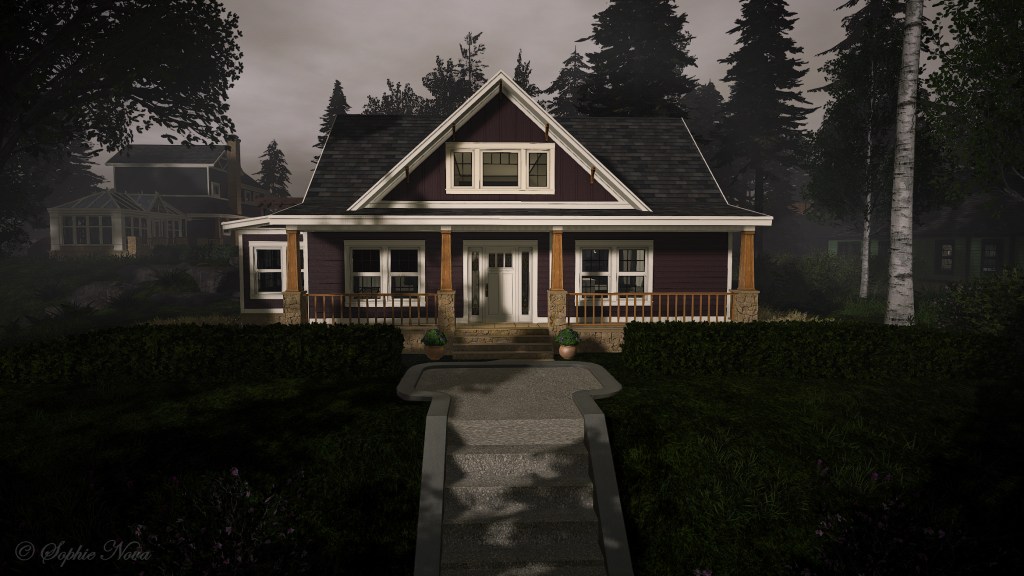
Then I found the house.
It was within my budget. It had space for my sons. It had the particular quality of a place that could become something — rooms that held potential, a yard, the feeling of permanence I had been craving since Phoenix. I made an offer before I fully thought through what it meant.
He saw it and wanted to stay together.
The condition I set was simple. He needed to find a job — not for me, but for himself. To have something that was his. To stop depending on me and his mother to sustain his life while he waited for SL to become the career he believed it would be.
I told him plainly: I cannot keep carrying this. If we are going to try again, you have to carry something too.
He agreed.
I helped him complete the Walmart application. He could not get through the questionnaire alone, so I sat with him and we worked through it together — one more act of labor I offered without naming it as such. He got the job. He was happy for exactly one week.
Then came the complaints. The hours. The people. The particular indignity of a man who believed he was meant for more, standing behind a register while his creativity went unused.
Then came the reframe, delivered with the precision I had come to recognize:
I had forced him into this.
What I had done out of care became evidence of control.
I recognized the pattern.
I stayed anyway.
The house did not stabilize us. It simply gave the instability an address.
He was off and on through that year. He would leave after fights — sometimes I asked him to go, sometimes the fight made the decision for us — and then he would return. The returns varied. Sometimes remorse. Sometimes simply the resumption of presence, as though absence had been a pause rather than a statement. Each return required recalibration. Each departure left residue.
The cycle was familiar. I had lived inside it for years.
What was different now was the house. What had once existed across screens and distance now had walls and a mortgage and my children’s bedrooms down the hall.
There was nowhere to log off.
My oldest son told me once — quietly, not as accusation but as observation — that I was never happy.
It landed like a fist.
Not because he was wrong. Because he was right. And because he had been watching long enough to know it before I could admit it myself.
I was never happy.
Not in that house. Not that year. Not in the way a person is happy when their life belongs to them.
What I had done was adapt. What he called it was betrayal.
 Between Stillness & Storm